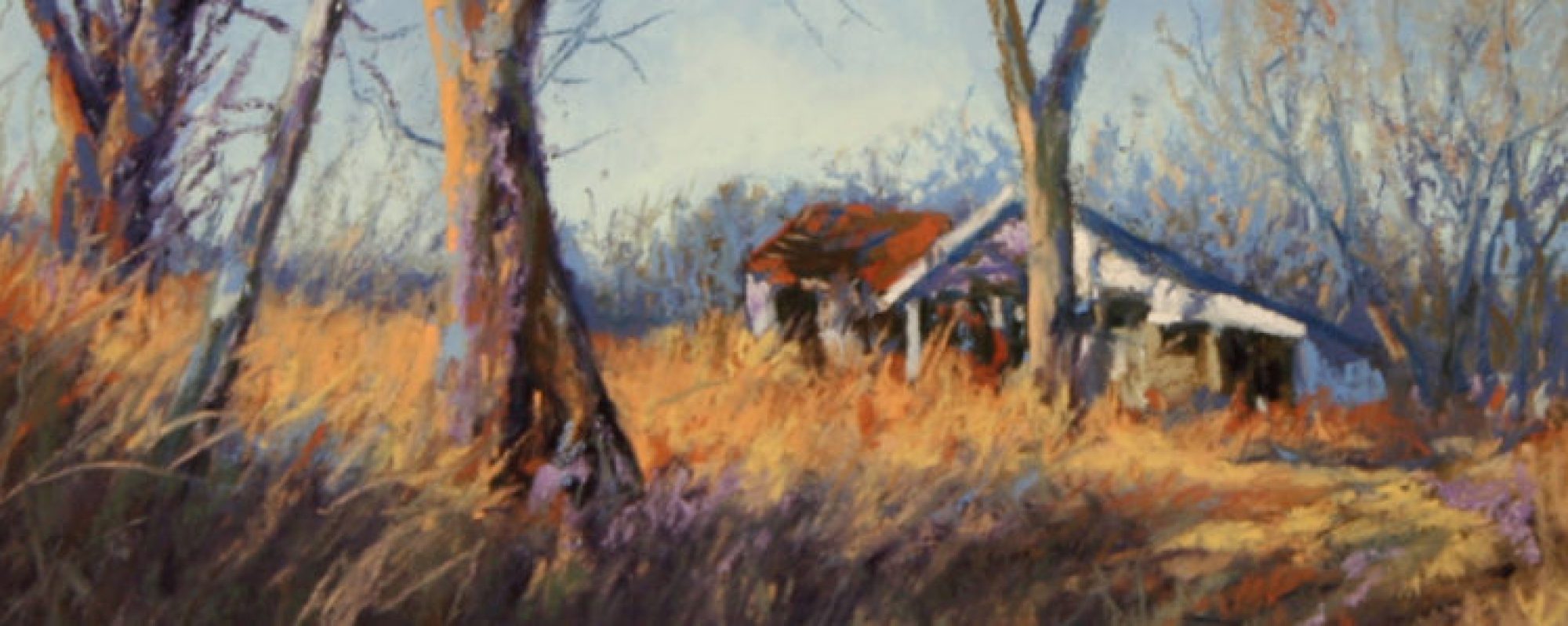
Post-Apocalyptic

The squirrels are busy today piling up acorns. I’m a home canner, and I’ve been checking my pantry. Like the squirrels, I have backup sources for winter food. And I can go to the grocery store. Even in snow, three miles to town isn’t far in a car.

I imagine my ancestors as they cured, dried, and canned to prepare for the lean months. Outside of war zones, most of us don’t have this life and death purpose regarding food. Do we miss the struggle? Could this be why so many post-apocalyptic novels are published?

What is apocalypse anyway?

Ask the people of Barbuda. Their island was demolished by Hurricane Irma. Uninhabitable. They all had to evacuate.

Ask the people of Puerto Rico. Ask the people of St. Croix, St. Thomas, and St. John. No clean water. No supplies coming in. No necessary medicines.

I’ve been a fan of post-apocalyptic fiction since someone gave me a battered copy of Pat Frank’s Alas, Babylon in the early 70s. But this isn’t fiction, folk. And no amount of ammo, rice, and beans can take the place of good public policy.

What are we doing now to make sure that post-apocalyptic fiction doesn’t become reality?

A Day’s Work

The past two days I signed copies of Froggy Bottom Blues, my new picture book, at EncycloMedia, an event for techies, teachers, and librarians in Oklahoma City. I drove home Tuesday evening to tend the chickens.  During the night, the rain started.

On Wednesday morning, I drove 85 miles to Oklahoma City in the rain.  On Wednesday evening, I drove 85 miles home in a downpour. I must have timed it just right for maximum water. Every once in a while I’d get a flash flood warning on my phone.

The new normal in Oklahoma seems to be monsoon followed by drought. I will not complain about rain.

Tired, but happy, I stopped in town for supplies, chugging damply from store to store, before I tackled the muddy road home.  Back at the farm, I changed my shoes, petted dogs and cats, checked in with my man who was off on his own adventure, and went out to take care of chickens.

I gathered the eggs in the front pen, but I ran into a big rat snake in the second. She ( Or he. How can you tell?) was hanging out of a nesting box, lumps along her length to let me know where my eggs had gone.

I caught her with my handy catcher and released her over the fence onto the creek bank. She was making the girls nervous. I will shoot a moccasin, a copperhead, or a rattler, but I consider a few eggs a small price to pay for the work rat snakes do on the farm.

After a cup of strong coffee, I fixed supper then settled in to read a couple of the new books I brought home from EncycloMedia.

I love quiet endings.

Going Wild

I’m an old woman with lots of interests and not enough time. There’s no way my garden will ever have a manicured look. My mantra is, “Get a little bit done every day.”

Of course, that doesn’t just apply to weeding and watering. And some things don’t wait. When the peaches are ripe, I can and dry and freeze. When the tomato plot is dry, I water. When the chickens need clean water…every day…I’m out there filling founts and scooping out poopy hay. And lines of a poem wait for no one.

The garden, on the other hand, does what it does regardless of what I do or don’t get done.

Along the actual rows of okra and tomato plants, I weed. The chickens love it when I do, because I throw the treats into their runs. But I note with dismay that corners and empty stretches of the garden not only grow weedy, but the weeds go to seed. That doesn’t bode well for next year.

I have noticed that cleared and planted sections surrounded by weedy beds don’t seem to dry out as quickly. I’ve had fewer insect problems this year than usual, but who knows if it’s because of nearby weed plots.

Perhaps we try to be too pristine. We don’t want weeds competing for nutrients and moisture. But what if there’s a middle ground somewhere between total control and no control at all?

I’m going to have to put some thought into how to set up a repeatable experiment here. And make sure there is time to keep one bed weed free without adding mulch that the other beds don’t get.

Meanwhile, I need to do my little bit for today. This weed job requires a face mask. Who knew ragweed bloomed in August?

Everyone?

Weeds and Chiggers

I live in a highly populated neighborhood. There aren’t many humans, but other species abound.

This year a lot of frogs moved in. As I walk through the damp garden, they jump away from my giant feet. I must appear to them as an Olympian appeared to the ancient Greeks.

The chickens grab up any poor frog that strays into their pens. Coyotes, raccoons, and the occasional bobcat grab up my poor chickens, too, if they get the chance, so I keep them penned in large, covered runs.

Do I feel guilty for penning them? Yes. Do I wish they could be out scouring the ground for ticks and other pesky locals? Again, yes.

My garden extends from the largest run. I don’t plow. Instead I add wood chips, compost, straw, paper sacks, cardboard, crushed eggs shells, and whatever else will break down and make my hard, clay soil fertile and friable.

If you don’t plow, you get a lot of reseeding. I have about 20 square feet of marigolds rising up in one section of the garden. When I see the first ferny leaves in spring, I weed around them and surround them with vegetables.  They stand three or four tall and are striking against a backdrop of okra. The same goes with the arugula patch that started with one plant several years ago.

Aw, but the lemon balm! I should have noticed that thin, square stem. This mint relative has taken over a big chunk of my garden. Fortunately, the chickens love it. And it makes good tea and an excellent room freshener. I’ve just had to make the garden bigger.

I have several garden hoes, but I mostly pull weeds. I stack them, root and all, into three piles: suitable for chickens, not suitable for chickens, and burn these suckers. The latter stack is reserved for brambles and vines that try to swallow my fences.

The chicken weeds and lemon balm I carry by the armload into the runs.  The chickens do come running.

Despite my daily routine of bug spray on work socks and flesh, I always bring a few chiggers in, too. These tiny residents are undeterred by the greasy spray on my skin.

Do frogs eat chiggers? Does anything eat chiggers? They have a purpose for being here, right?

Tools on the Homestead

I’ll never be a candidate for a tiny house. I’m married to an artist, and many of our friends are artists. I need wall space. Then, there are the books and the piano. But the overriding reason may be that I need a big kitchen, canning pantries, root cellar, and deep freeze. Trying fitting all that into a tiny house.

I put up anywhere from 150 to 300 pints of produce every year. The walls in my house that don’t have paintings have enclosed pantry shelves. My handy husband built deep cabinets for my canning gear, including the big bowls and the pressure canner.

This week I canned four pints of pickled beets and 28 pints of whole kernel corn. And just in time for the season, I acquired two new tools, a Vremi collapsible dish drainer and a 12-quart stainless steel dishpan.

The drainer takes little of the precious counter space, and it’s especially handy when I’m washing jars. And while it’s collapsible, I’m thinking it may be a permanent occupant on the counter. It keeps the sink empty.

I have a single sink, and it’s hard to wash both the ears of corn and the jars you intend to fill. With its flat bottom, the new dishpan is more versatile than the large stainless steel bowls I was using before. Besides, those bowls are needed for other jobs.

A few years ago, I added the Ball Fresh Tech Canner. I use it when I have a small amount of produce from the garden. It’s perfect for pickles, jellies, salsas, and fruits. It handles six half pints, four pints, or three quarts at a time. And once you’ve sealed the jars into the canner and punched in the settings, you can walk away.

Last year’s tools were the electric water bath canner and a plucker. Two second grade teachers gave me their class projects–forty chicken hatchlings. Yep, more than half were roosters. The canner was to handle big jobs that my electric stove couldn’t handle, but it got drafted. It’s now used to scald chickens before they go into the plucker.

Next will be my cheese setup. I bought an instant-read thermometer, so I’m on my way. A farmer about five miles up the road has goat milk for sale. I’ll keep you posted.

Sorting and Sharing Seeds

I overdo most everything, but it’s especially true when I’m buying books or seeds. At least I do eventually read most of the books.

In January and February, when I’m longing for the spring garden, I plan and I order from Seed Savers Exchange, Baker’s Heirloom Seeds, Native Seeds Search, Oklahoma Food Cooperative farmers. Come fall, most are still unplanted. I put them away, forget what I have, and order again the next winter.

What I do plant gets rushed and neglected. Even winter cleanup falls short, and I find a good deal of my garden is reseeded from the year before. From a distance, it looks lush, all that lemon balm, a thicket of marigolds and arugula, and little to eat. At least the chickens love the lemon balm, and it makes a good tea.

But those seeds…

An organizations in Tulsa, Neighbor for Neighbor, lists seeds among the things they will take as donations. I hope someone in Tulsa needs a pound of Johnny’s forage turnip seeds.

I have an adventurous bent. It’s obvious as I sort through the packets—ground cherries, Malabar spinach, mache, amaranth, and sorghum. There are dozens of bean, tomato, and squash varieties. I hope someone can find time, space, and the joy that gardening brings. I hope enough of the seeds are still viable.

I’ve been teaching for a lot of years, working my garden and writing in, but this spring I turned in my resignation to the school district.  I spend my mornings writing.  I weed a little every evening.  I plan to plan more, plant smarter.  So far, so good.

Perhaps I’ll be more realistic about what seeds I order next winter.  Maybe I’ll have more seeds to share.

Day of Rest

A few decades ago, my ex and I moved irrigation pipe on a peanut farm in southwestern Oklahoma. At sunup we would be moving the long lengths of pipe a few rows over. Twelve hours later, still blisteringly hot, we’d do it again.

We moved pipe twice a day, seven days a week. We were young and strong, and the hours weren’t bad, but I can still remember the joy of those days when at least an inch of rain had fallen and we got the whole day off.

Responsibility, then, was that job.

Now, it’s a job, a family to feed, chickens to tend, a garden, finances and paperwork, and my writing. When thunderstorms move in and I have a morning off, I have to tell myself that it’s okay to read, write something that isn’t on deadline, or sit quietly and think. I won’t do laundry, clean out the refrigerator, or start any job that’s on my perpetually evolving to-do list.

It’s a beautiful world, and some of us take it much too seriously.

Yes, serious homestead folk, it’s okay to rest every now and then. Sit down at the piano. Pick up the guitar. Find your puzzle book or sketchpad. Better yet, don’t do anything but breathe and see how green the world looks after a hard spring rain.

Time or Money

We’ve been here on the banks of Dry Creek for more than ten years. We aren’t self-sufficient by any stretch, but we aren’t helpless, either.

We have skills.  Dale doesn’t like to work on the plumbing, but he knows how. He’s good with anything electrical. He has built a house.  I can roof, lay flooring, do drywall, and paint. Together, we are a fence-building team.

We’re frugal people. A friend gave us an 8 x 10 shed that we turned into a chicken coop. The window was once a cabinet door. The only thing we bought new was fencing for the run.

Dale is always on the lookout for scrap wood and bargains. He built beautiful pieces of furniture from old oak trees grown on the place.

I buy more food than I grow, as much as possible from local farmers. I freeze, dehydrate, and can. And I recognize the privilege that is mine to do so, the privilege that comes with a job and a paycheck. The soil here is hard clay. We’ve hauled in trailer loads of dirt. We’ve built outbuildings and acres of fences.

It would have been cheaper to buy all our food. But it would have been at the expense of an education.

Building garden soil takes either time or money. So does learning how to homestead. A person could starve without one or the other.

Eating Globally

My man and I start every morning with coffee. He buys his national brand at the grocery store. My favorite coffee, with its chocolaty aftertaste, comes from Mexico. I get the beans, roasted locally, from the Oklahoma Food Cooperative. I am not ashamed that I’m a coffee snob or that I’m privileged enough to afford fresh roasted beans.

My husband is a man of habits, most of them good. He loves his canned mandarin oranges, and fresh ones when they’re in season. He eats an apple almost every night after dinner and drinks a glass of chocolate milk before bedtime. Only the milk and, sometimes, the apples are Oklahoma products. So much of what we eat and drink crosses borders. I have no desire to change that.

We are fortunate to live in a global economy that includes prospering local farmers and ranchers. I want people here and abroad to be as privileged as I am, able to enjoy healthy, good tasting food…and a good cup of coffee or tea.

The economics of food doesn’t have to be all or nothing. We can support local foods while enjoying the things we can’t grow in our backyards.

But what if we don’t have access? What if we live in a food desert, miles from a grocery market? What if war or a border wall or tariffs stop the flow of foods we have come to depend on?

I often ask elementary students to make lists. Lists precede sentences, and groups of sentences on a common theme precede paragraph making.

This week they made lists of foods that couldn’t live without. The lists ranged from four items to 41. And that four-item list was hard to get. It started with one item: bread. The third grader finally added meat, raisins, and apples.

It was as plain as my own list that the foods we think we need are a mixture of the homegrown and the exotic, what we need to survive and what we need to satisfy certain longings.

Do we know the difference? Maybe in our quest to be food secure, learning what we need to thrive and knowing how to get it is where we should start.

Snow Day Apple Experiment

I want to believe that life is a Choose Your Own Adventure novel, but more often, things just happen. Sometimes things happen in sets of three.

First, one of the teachers at my school was having a Pampered Chef party. I needed a Garlic Peeler. What I ordered was an Apple Wedger. Stainless steel tools are too cool to pass up.

Second, I picked up Diane for a road trip to Stillwater to eat Thai food. We stopped at Sprouts on our way home. It’s what country girls do when they go to town. Organic Braeburn apples were on sale, $2 for a 3-pound bag. I bought two bags.

Third, it snowed on a Thursday night, and I got a free Friday, an experiment day!

I had a batch of bananas whose peels were dark because I left them in the car for an hour on a 20 degree F. day. I had six pounds of apples. I had a new Apple Wedger. And I have two dehydrators.

Did my Oklahoma ancestors have a ready supply of lemon juice when they canned or dried apples? I don’t remember ever seeing lemons in Grandma’s refrigerator.

She didn’t have electric dehydrators, either. But…one can dehydrate with a warm oven or sunshine. Meanwhile, on a snowy day, I’ll bask in the luxury of electric heat and electric dehydrators and find out what happens when one dehydrates apples without lemon juice or citric acid.

I wedged apples and sliced bananas. Some of those bananas were pretty ripe. Yeah, brown.

Each of an apple’s ten wedges I cut in half so they were no thicker than a quarter inch. These went into the first dehydrator with the bananas, both without any treatment or additions.

The second batch of wedged and sliced apples I put into lemon water before loading them into the dehydrator.

24 hours later:
The bananas are crispy with a slight chew. Next time I’ll make then a little thinner, but these won’t last. They are delicious, even the overripe ones. No more wasted bananas!

Any differences in the two batches of apples are due to differences in my two dehydrators. The colors are the same. No more treated apples for dehydration! I’ll just make sure they go straight from the wedger into the dehydrator.

Now, how do we deal with the changes in color when we’re canning a bushel of apples or peaches at a time? What did Grandma do? What can I do?

There are always more questions.